
Discover the B+ diet: a balanced plan featuring lamb, cod, goat cheese, and leafy greens. Embrace dairy like kefir, and avoid salmon, sardines, and processed meats. This PDF guide offers tailored meal ideas. and seasonal veggies freshok
What is Blood Type B?
Blood type B, one of the four major ABO blood groups, is defined by the presence of B antigens on red blood cells and anti‑A antibodies in plasma; Individuals with this phenotype typically have a robust immune system and a high tolerance for diverse foods, yet they exhibit sensitivity to certain proteins. Historically, the B group was linked to a Mediterranean ancestry, and modern research suggests a genetic predisposition for efficient digestion of animal proteins and dairy. People with type B often show a balanced hormonal profile, which can influence energy metabolism and stress response. In medical practice, type B is considered a “neutral” blood group, meaning it can receive B and O blood but not A or AB. This classification also informs organ donation compatibility and transfusion protocols. While blood type does not dictate destiny, it offers a insight into physiological traits that can guide personalized nutrition and lifestyle choices. Understanding these traits helps clinicians and individuals tailor health strategies that align with innate biological rhythms; Adopting a diet aligned with type B physiology can enhance vitality, reduce inflammation, and support long‑term wellness. Stay fit.

Core Food Groups for B+ Diet
Key B+ staples: lamb, cod, goat cheese, kefir, leafy greens, beans, oats, and seasonal fruits. Avoid salmon, sardines, and processed meats. Embrace olive oil, nuts, and whole grains for balanced nutrition. Enjoy balanced meals daily.!!.

Protein Sources
Blood type B+ individuals thrive on diverse protein sources that align with their unique digestive system. Prime choices include tender lamb, which offers a rich amino‑acid profile and is well‑tolerated. Fresh cod and other white fish such as haddock and sole provide lean protein without the heavy fats that can upset sensitive stomachs. Goat cheese and other goat‑based dairy products, like kefir, deliver beneficial probiotics and are easier to digest than cow’s milk. For those who enjoy poultry, turkey and chicken (especially dark meat) are acceptable, but should be cooked without excessive salt or spices. Eggs remain a versatile option, offering high‑quality protein and essential nutrients. Plant‑based proteins such as beans (kidney, lima, broad) and lentils are also suitable, providing fiber and iron. Whole‑grain breads and cereals can be paired with these proteins to create balanced meals. Always opt for fresh, unprocessed meats and avoid processed meats, which can trigger inflammation in B+ individuals. Incorporating seasonal produce such as spinach, broccoli, and bell peppers, enhances nutrient density while keeping digestion smooth and satisfying.
Dairy Choices
Blood type B+ individuals can incorporate a variety of dairy products that support digestion and provide essential nutrients. Goat milk and goat‑based cheeses such as goat cheese, feta, and ricotta are excellent options due to their lower casein content, which is easier on the gut. Kefir and regular yogurt deliver probiotics that aid in maintaining a healthy microbiome. Hard cheeses like cheddar, mozzarella, and Swiss are generally well tolerated, while softer cheeses such as brie and camembert should be consumed sparingly. Milk alternatives such as almond milk, oat milk, and soy milk can be used in cooking or as beverages, but they should be unsweetened to avoid added sugars. When selecting dairy, opt for low‑fat or 2% varieties to reduce saturated fat intake. Avoid processed dairy items like American cheese, blue cheese, and string cheese, which often contain additives and high sodium levels that may trigger inflammation. Incorporating these dairy choices in balanced meals—paired with protein sources, whole grains, and fresh vegetables—helps B+ individuals meet their protein and calcium needs while minimizing digestive discomfort. Enjoy these choices with mindful portions to support well‑being daily
Vegetables Beneficial for B+
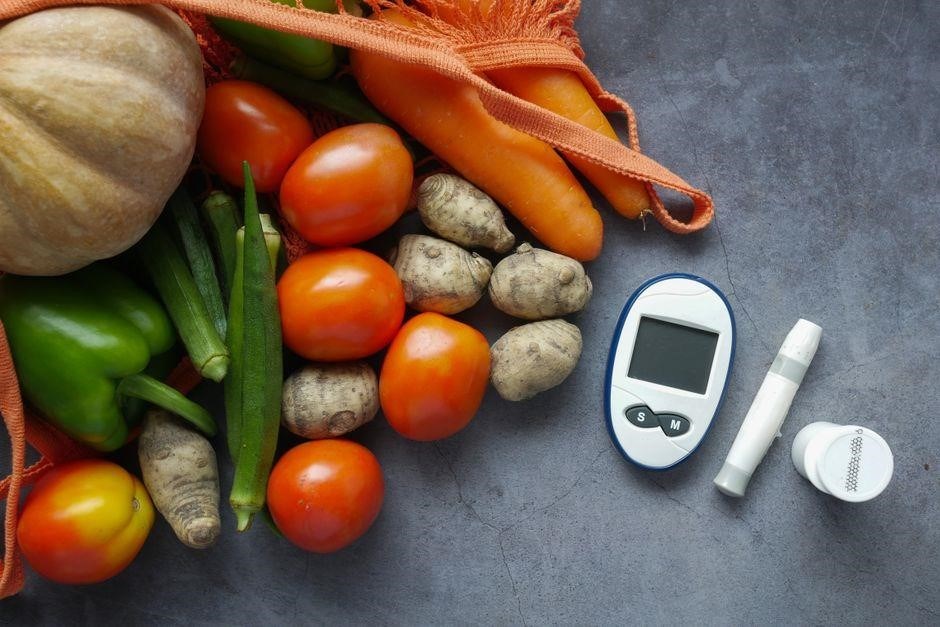
Blood type B+ individuals thrive on a wide range of vegetables that support digestion and provide essential nutrients. Leafy greens—spinach, kale, Swiss chard, collard greens—are rich in iron, calcium, and folate. Cruciferous options such as broccoli, cauliflower, Brussels sprouts, and cabbage contain glucosinolates that aid detoxification. Root vegetables—carrots, beets, sweet potatoes, parsnips—offer beta‑carotene, potassium, and natural sweetness. Squash varieties—including zucchini, yellow squash, butternut, acorn—deliver vitamins A and C with low calories. Allium vegetables—onions, garlic, leeks, scallions—provide allicin, which has antimicrobial properties. Peppers—red, green, yellow, orange—are excellent sources of vitamin C and capsaicin, supporting cardiovascular health. Tomatoes, cucumbers, bell peppers contribute lycopene and phytonutrients that promote cellular health. Legumes—beans, lentils, peas—add plant protein, fiber, and micronutrients. Incorporating these vegetables in daily meals—steamed, roasted, sautéed, or raw—helps B+ individuals maintain energy, support metabolism, and enjoy a nutrient‑dense diet. These choices support B+ metabolism!!!!!!
Grains and Cereals
Blood type B+ individuals benefit from a diverse selection of whole grains that provide sustained energy, fiber, and essential micronutrients. Oats, barley, and millet are excellent choices, offering beta‑glucan for heart health and a gentle carbohydrate profile that avoids spikes in blood sugar. Brown rice and quinoa supply complete proteins, magnesium, and iron, while also supporting digestive comfort. Buckwheat, a pseudocereal, is rich in rutin and antioxidants, making it a safe option for those who may react poorly to wheat. Whole wheat, however, should be consumed in moderation, as some B+ people may experience mild sensitivities. Rye and spelt are alternative grains that deliver a nutty flavor and additional fiber, but they should be introduced gradually to monitor tolerance. For breakfast, porridge made from oats or millet can be topped with fresh berries and a drizzle of honey, while lunch and dinner can feature grain bowls with sautéed vegetables, lean protein, and a light vinaigrette. Incorporating these grains into a balanced diet supports metabolic stability, promotes satiety, and aligns with the B+ dietary framework, ensuring that energy levels remain steady throughout the day
Fruits Suitable for B+
Blood type B+ individuals thrive on a variety of fruits that provide essential vitamins, antioxidants, and gentle sugars. Apples, pears, grapes, and berries such as strawberries, blueberries, and raspberries are excellent choices, offering fiber and vitamin C without causing digestive upset. Tropical options like mango, papaya, and pineapple add a sweet, enzyme‑rich flavor that supports digestion and immune function. Kiwi and melon varieties provide potassium and hydration. Citrus fruits, including oranges and tangerines, are beneficial when consumed in moderation, as they supply vitamin C and flavonoids. B+ people should also enjoy stone fruits like peaches, plums, and apricots, which contain natural sugars that are easier to metabolize. Incorporating a rainbow of fruit into daily meals—such as a fruit salad with mixed berries, a sliced apple with almond butter, or a mango smoothie with yogurt—helps maintain steady energy levels, supports gut health, and aligns with the B+ dietary framework. Remember to pair fruit with protein or healthy fats to stabilize blood sugar and maximize nutrient absorption. Enjoying seasonal fruit daly rshlike ripe apricots or peaches not only satisfi cravings but boosts vitality.

Detailed Food List (PDF Reference)
Explore the PDF guide’s food list: meats like lamb, beef, turkey; seafood such as cod, salmon, shrimp; dairy options including kefir, goat cheese, yogurt; veggies like spinach, broccoli, carrots; fruits such as apples, grapes, berries!
Meat and Poultry Recommendations
For B+ individuals, lean and nutrient‑dense meats are ideal. Lamb and mutton offer high protein, iron, and zinc, supporting robust metabolism. Beef—especially regular cuts—provides B12, selenium, and a balanced amino‑acid profile. Veal, with its tender texture, delivers a mild flavor and essential nutrients without excessive fat. Turkey, a versatile poultry, delivers lean protein and niacin, while rabbit offers a low‑fat, high‑protein option that is gentle on digestion. Goat meat, known for its unique taste, supplies calcium and iron, and pairs well with aromatic herbs. Venison, a game meat, supplies lean protein and a rich umami flavor. When preparing these proteins, opt for grilling, baking, or steaming to preserve nutrients and reduce added fats. Incorporate herbs such as rosemary, thyme, and oregano for flavor and antioxidant benefits. Avoid processed meats, especially those high in sodium or nitrates, as they can strain the digestive system. Also steer clear of fish like salmon and sardines, which are not recommended for B+. By focusing on these wholesome meats and poultry, B+ individuals can maintain energy levels, support immune function, and enjoy diverse, satisfying meals. Enjoy these proteins alongside fresh herbs, and keep portions moderate to support balanced digestion. Try grilling for smoky flavor and quick prep.
Seafood Picks
Enjoy these choices as part of a balanced lifestyle, and feel the difference in energy.
For B+ followers, a selection of clean, low‑fat fish and shellfish can enrich meals with omega‑3s, protein, and minerals. Cod, haddock, and halibut are mild in flavor and high in protein, making them excellent staples for soups, stews, or baked dishes. Mackerel and tilefish offer a richer taste and are rich in vitamin D and B12; they pair well with citrus or mustard sauces. Mahi‑mahi and snapper provide firm flesh and a subtle sweetness, ideal for grilling or sautéing. For those who enjoy shellfish, shrimp, scallops, and crab deliver lean protein and zinc, while oysters and mussels add iron and vitamin B12. When cooking, use olive oil or butter sparingly, and season with herbs like dill, parsley, or thyme to enhance flavor without excess sodium. Avoid high‑salt or processed seafood such as canned sardines, anchovies, or smoked salmon, which can upset digestion. Also steer clear of fish with high mercury levels, such as swordfish or tuna, especially if consumed frequently. By choosing these recommended seafood options, B+ individuals can enjoy diverse, nutrient‑dense meals while respecting their unique dietary needs. Remember to pair these proteins with greens whole grains for balanced nutrition.
Dairy and Alternatives
Choose dairy that aligns with B+ physiology: kefir, goat cheese, and regular yogurt provide probiotics and calcium without triggering inflammation. Whole‑milk and 2% milk are acceptable in moderation, but high‑fat options like American cheese, blue cheese, and cream cheese should be limited. For lactose‑intolerant individuals, fortified plant milks—almond, soy, oat, and rice—offer calcium and vitamin D, though soy may be avoided by some B+ diets. Incorporate cheese varieties such as mozzarella, ricotta, and feta, which are generally well tolerated. When selecting cheese, opt for types that are lower in lactose. Pair dairy with fresh fruit or whole grains for a snack. Avoid processed dairy products containing added sugars or additives. Aim for an intake of 2–3 servings, ensuring variety and moderation. This approach supports bone health, gut flora, and while respecting the unique metabolic profile of blood type B+. In addition, dairy such as kefir and kombucha‑infused milk. Seasonal cheeses like brie or camembert are acceptable, and cheeses should be used sparingly. Remember to read labels for lactose and exposure to antibiotics. These selections honor the B+ digestive profile, promoting vitality and balanced nutrition. Enjoy these foods with mindful portions, enhancing gut health and vitality. now

Vegetables to Include
For B+ individuals, leafy greens such as spinach, kale, and collard greens provide iron and folate without overstimulating the gut. Root vegetables like carrots, sweet potatoes, and beets are gentle and rich in beta‑carotene. Cruciferous options—broccoli, cauliflower, and Brussels sprouts—offer antioxidants but should be steamed, sautéed to ease digestion. Tomatoes, peppers, and onions add flavor and vitamin C, while asparagus and green beans supply plant protein. Incorporate a variety of colors to maximize micronutrients: orange carrots, deep‑green spinach, and purple cabbage. Limit high‑oxalate foods such as spinach in excess, and avoid nightshade vegetables if sensitivity arises. Pair vegetables with healthy fats like olive oil or avocado to enhance absorption. Aim for 3–5 servings daily, balancing raw and cooked preparations to support the B+ metabolic profile and promote overall wellness. Enjoy these vegetables in salads, stir‑fries or as side dishes, ensuring a vibrant, nutrient‑dense diet that respects the unique digestive needs of blood type B+. This balanced approach encourages sustained energy and gut harmony. Fresh greens boost vitality.!!
Fruits to Include
B+ individuals thrive on a variety of fruits that support digestion, immunity, and overall vitality. Berries—strawberries, blueberries, raspberries—are low in acid and high in antioxidants, making them ideal for daily snacking. Citrus fruits like oranges, grapefruits, and tangerines provide vitamin C without excessive acidity, while apples and pears offer pectin, aiding gut health. Bananas are a gentle source of potassium, and grapes and cherries add natural sweetness. Melons such as cantaloupe and honeydew are hydrating and low in sugar, while kiwi and papaya contain enzymes that ease protein digestion. For a vitamin‑rich boost, include mangoes, peaches, and nectarines in moderation. B+ diets benefit from seasonal fruit choices, ensuring freshness and optimal nutrient density. Pair fruit with a protein or healthy fat to stabilize blood sugar and enhance nutrient absorption. This fruit selection promotes balanced energy levels, supports immune function, and aligns with the B+ metabolic profile for sustained vitality. Additionally, incorporating dried fruit in small portions can provide concentrated nutrients, but watch for added sugars. Remember to rinse fresh produce thoroughly and consider organic options to reduce pesticide exposure. Finally, enjoy fruit in a variety of forms—fresh, baked, or in smoothies—to keep the diet exciting and nutritionally robust. Enjoy! and!
Foods to Limit or Avoid
Individuals with blood type B+ should exercise caution with certain foods that can disrupt digestion or trigger inflammation. Highly processed meats such as bacon, sausage, and deli meats contain excess sodium, nitrates, and preservatives that may overwhelm the liver’s detox pathways. Similarly, refined grains like white bread, regular pasta, and sugary cereals can spike blood sugar and lead to energy crashes. Dairy products that are high in casein, such as American cheese, blue cheese, and processed cheese spreads, often cause digestive discomfort and may aggravate skin conditions. Highly acidic fruits and vegetables—like tomatoes, eggplant, and citrus—can irritate the stomach lining and should be limited during flare‑ups. Additionally, foods that are high in lectins, such as beans, lentils, and certain grains, can bind to nutrients and impair absorption. Avoiding or minimizing these items helps maintain balanced gut flora, reduces inflammation, and supports overall metabolic harmony. Remember to pair these foods with adequate hydration and balanced portions, ensuring that the diet remains sustainable and enjoyable over time. Stay mindful and balanced now.

Practical Tips for Meal Planning
Plan weekly menus around B+ staples: lamb, cod, goat cheese, leafy greens, kefir. Batch cook grains, keep fresh herbs, and prep salads. Use olive oil, avoid processed meats, and stay hydrated.!!
Shopping List Strategy
Start by grouping foods into categories that align with the B+ diet: protein, dairy, vegetables, grains, fruits, and healthy fats. Prioritize fresh, unprocessed items and keep a weekly rotation to avoid monotony. Use a spreadsheet or a simple table to track what you have and what you need.

- Proteins: Lamb, cod, mackerel, turkey, veal, rabbit. Buy bulk, freeze portions.
- Dairy: Kefir, goat cheese, ricotta, yogurt. Low‑fat or 2% options.
- Vegetables: Leafy greens, broccoli, carrots, beans. Include kidney, lima, broad.
- Grains: Oatmeal, millet, quinoa. Store airtight.
- Fruits: Apples, berries, grapes. Seasonal varieties.
- Fats: Olive oil, flaxseed oil, almonds, pecans.
Shop the perimeter for produce and meats. Check labels for sugar and sodium. Plan meals around perishable items first to reduce waste. Keep a pantry checklist and update weekly. This B+ diet plan keeps you on track while!