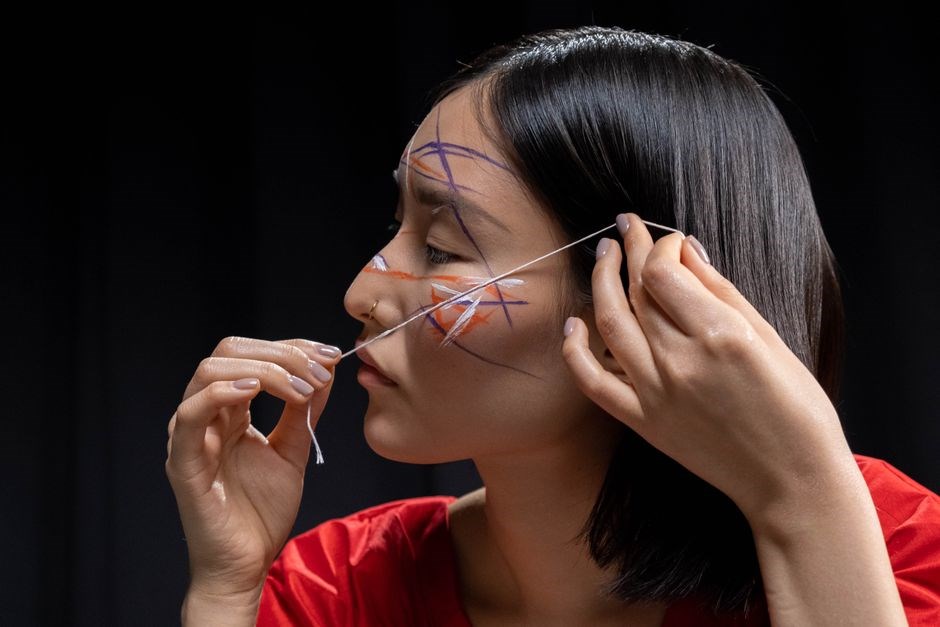
PDO thread lifts offer a minimally invasive route to facial rejuvenation, combining precise thread placement with natural collagen stimulation. Training emphasizes anatomy, vector mapping, and safe needle angles, ensuring predictable lift and minimal downtime. Ideal for patients seeking lift without risk mild.
Facial Anatomy for Accurate Placement
Understanding the layered facial structure is essential for safe thread insertion. Key landmarks—zygomatic arch, orbital rim, nasolabial fold—guide vector mapping. Avoiding vascular bundles and sensory nerves ensures predictable lift and reduces complications;today’s!!
Key Nerve and Vessel Bundles in Thread Placement
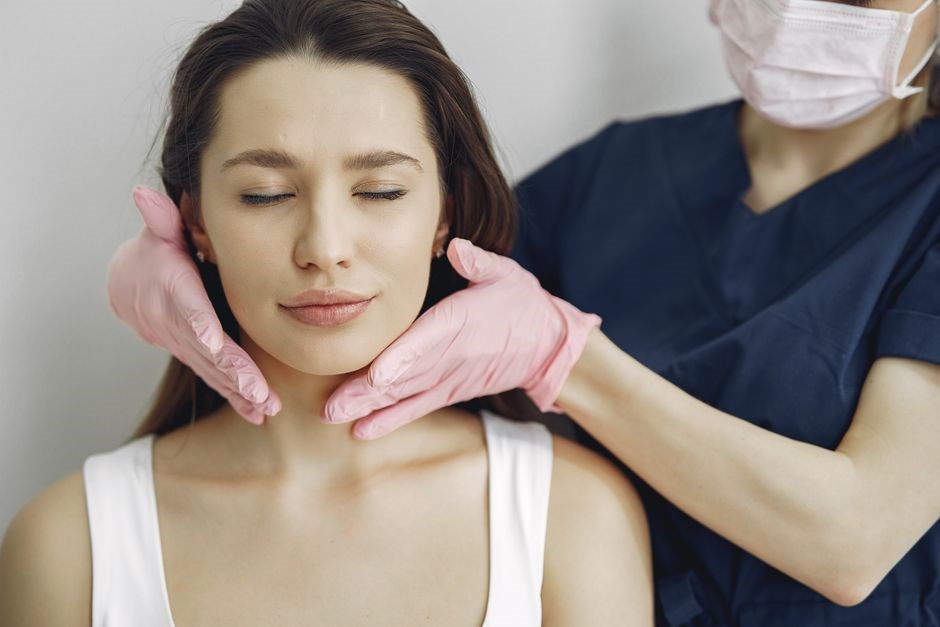
Safe PDO thread placement hinges on avoiding critical neurovascular structures. The facial nerve’s branches—buccal, zygomatic, and marginal mandibular—run superficially across the cheek, nasolabial fold, and jawline, respectively. The superficial temporal artery and its branches supply the temple and lateral forehead, while the facial artery and vein traverse the midface. The infraorbital artery lies beneath the orbital rim, and the angular artery courses along the medial cheek. Accurate mapping of these vessels and nerves, often aided by Doppler ultrasound, allows the practitioner to select insertion angles that stay above the dermal–subcutaneous junction, thereby minimizing bleeding, hematoma, and neuropraxia. In addition, the mental foramen, through which the mental nerve and vessels exit, is a critical landmark for lower‑jaw thread placement. By respecting these anatomical corridors, clinicians can achieve a durable lift while preserving sensory function and vascular integrity. Practitioners often employ a 30° to 45° insertion angle, positioning the needle tip just above the SMAS layer to engage supportive tissue without breaching deeper structures. The use of a 25‑gauge needle and a 3‑mm thread length is common for midface lifts, whereas longer 5‑mm threads may be reserved for lower face corrections. Post‑deployment, gentle traction is applied to confirm thread placement and to assess immediate lift before securing the thread ends. Continuous education on anatomical variations—such as a high bifurcation of the facial artery or a duplicated buccal nerve—ensures that each patient receives a customized, safe, and effective PDO thread lift.
Types of PDO Threads
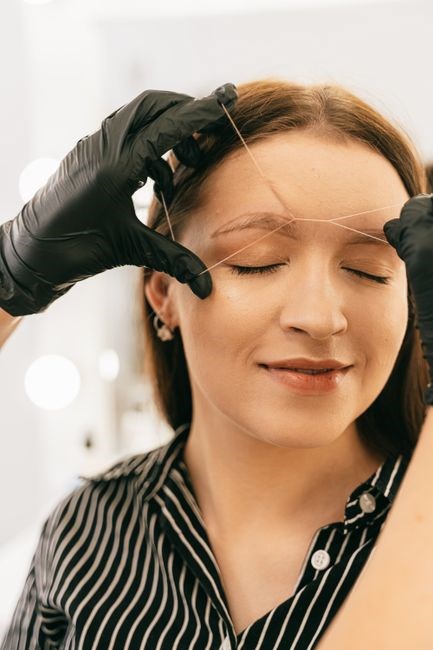
PDO threads vary by texture and design. Monofilament threads are smooth, allowing gradual collagen induction and minimal irritation. Barbed threads feature tiny hooks that anchor into tissue, providing immediate lift and longer durability. Choice depends on patient goals and anatomy
Monofilament vs. Barbed Threads
Monofilament PDO threads are single‑strand, smooth fibers that glide beneath the dermis, creating a subtle lift through gradual collagen induction. Their fine profile minimizes surface irritation and is ideal for patients seeking a natural, low‑profile correction or for areas where a gentle lift is sufficient. Barbed PDO threads, on the other hand, feature tiny hooks along the shaft that anchor into the subcutaneous tissue, providing a more robust collagen response and a firmer result. The barbs also stimulate a more robust collagen response, which can extend the longevity of the lift. However, barbed threads may produce a slightly more noticeable surface texture and can be more uncomfortable during placement. Selection between the two depends on patient anatomy, desired lift strength, and tolerance for post‑procedure sensations. Monofilament is often preferred for upper eyelids, nasolabial folds, and mild cheek laxity, while barbed threads are chosen for deeper jowls, nasolabial folds, and areas requiring a pronounced lift. Proper technique, including accurate needle angle and vector mapping, is essential for both thread types to avoid complications and achieve optimal aesthetic outcomes. Clinicians often tailor thread density and depth based on skin laxity, ensuring that the mechanical lift aligns with the patient’s aesthetic goals while maintaining tissue integrity. Swelling and bruising resolve within 7–10 days, allowing return to routine!! During the procedure, practitioners maintain a sterile field, use a 30‑degree needle, and adjust thread tension to achieve soft contour that harmonizes facial dynamics.
Patient Selection: Indications and Contraindications
PDO thread lifts are most effective for patients with mild to moderate skin laxity, fine lines, and a desire for a subtle, natural lift. Ideal candidates include individuals with good skin elasticity, a clear understanding of realistic outcomes, and no active dermatologic conditions. The procedure is contraindicated in patients with active infections, uncontrolled systemic disease, or a history of severe allergic reactions to polydioxanone. Those with a history of keloid formation, autoimmune disorders, or who are pregnant or lactating should avoid thread placement. Additionally, patients with significant scarring, severe skin laxity, or requiring dramatic contour changes may be better suited for surgical alternatives. Informed consent, realistic goal setting, and a clear understanding of post‑procedure care are essential for successful outcomes.
In addition, practitioners should review the patient’s systemic health, including thyroid function, cardiovascular status, and any history of bleeding disorders. A thorough skin assessment identifies areas of thin dermis or prior trauma that may affect thread placement. Patients with active acne, rosacea or recent dermal filler injections should postpone the procedure until inflammation resolves. Clear communication about post‑procedure expectations, such as mild swelling, bruising, and the gradual onset of lift, helps align patient satisfaction with realistic outcomes. A follow‑up visit at 2–4 weeks ensures proper healing and allows for early touch‑ups if needed!!!
Procedure Workflow
Start with a sterile prep and local anesthesia. Mark lift vectors, then insert needles at 30‑45° angles, deploying barbed PDO threads. Adjust tension, secure ends, massage, and apply a cold compress. Record outcomes and schedule follow‑up to assess lift durability. Ensure patient education and post‑procedure monitoring!!!!
Vector Mapping and Thread Deployment
Vector mapping starts with a detailed assessment of facial landmarks—nasolabial folds, marionette lines, and the zygomatic arch. A sterile pen outlines lift lines that follow the desired pull direction, typically from the mid‑cheek toward the temple or from the jawline upward. These lines guide needle insertion, ensuring threads travel along natural facial contours while steering clear of key neurovascular bundles.
After vectors are drawn, the clinician introduces a 30‑mm needle at a 30‑to‑45‑degree angle into the dermis or subdermal plane, depending on the target zone. Barbed PDO threads are advanced along the pre‑drawn lines, with each barb anchoring to underlying tissue. Gentle tension on the thread ends lifts the skin, and the barbs act as micro‑anchors to maintain lift over time. The practitioner adjusts tension to avoid over‑tightening, which could cause puckering.
Once all threads are placed, the ends are trimmed, and a brief massage distributes the threads evenly. The procedure typically lasts 45 to 90 minutes, with minimal downtime and a quick return to normal activities. Patient comfort is monitored throughout, and any mild swelling is addressed with a gentle compress.

Needle Angles and Insertion Technique
Precise needle orientation is the cornerstone of a safe and effective PDO thread lift. The standard approach employs a 30‑mm needle introduced at a 30°–45° angle relative to the skin surface, allowing the thread to traverse the dermis or superficial subcutaneous layer without breaching deeper structures. The angle is adjusted based on the target zone: a steeper 45° angle is favored for the nasolabial fold to achieve a more pronounced lift, whereas a gentler 30° angle suits the periorbital area to preserve delicate tissue.
The angle is adjusted based on the target zone: a steeper 45° angle is favored for the nasolabial fold to achieve a more pronounced lift, whereas a gentler 30° angle suits the periorbital area to preserve delicate tissue.
During deployment, the thread is held taut to maintain tension, and the needle is re‑inserted at the next vector point, repeating the 30°–45° angle. The practitioner monitors for resistance; excessive drag may indicate proximity to a vascular bundle, prompting a change in angle or depth. After all threads are placed, the needle is removed, and the thread ends are trimmed flush with the skin. A brief massage distributes the threads and smooths the contour.
Post‑insertion, the patient is advised to avoid strenuous activity for 24 hours and to apply a cold compress to reduce edema. The technique’s success hinges on meticulous angle selection, depth control, and real‑time anatomical awareness, ensuring both safety and optimal aesthetic outcome. This meticulous approach guarantees a natural lift with minimal risk and a smooth recovery period, allowing patients to return to daily activities within hours. The overall procedure is well tolerated and often yields visible results after the initial healing phase.
Clinicians also emphasize the importance of using a sterile technique throughout the procedure, including proper hand hygiene, single‑use needles, and thread sterilization. They recommend a gentle, controlled withdrawal of the needle to prevent thread fraying and to maintain the integrity of the barbs. Proper post‑care instructions are essential to mitigate swelling and bruising.

Post‑operative Care
Apply a cold compress for 15 min every 2 h first 24 h, avoid heat, massage, and strenuous activity. Keep head elevated, use prescribed topical ointment, and monitor for bruising or swelling. Follow up in 48 h for assessment.
No antibiotics are needed after the procedure now.
Common Complications and Prevention
Common complications after PDO thread placement include transient bruising, swelling, and mild discomfort, which resolve within 48–72 h. Rare events such as infection, thread migration, or hematoma can occur if aseptic technique is compromised or if the thread is placed too superficially. Allergic reactions to the suture material are exceedingly uncommon but may present as localized erythema or pruritus. To minimize risk, clinicians should adhere to strict sterilization protocols, use appropriate needle gauge, and ensure accurate depth control during insertion. Pre‑procedure counseling should cover signs of infection (fever, purulent drainage) and advise patients to avoid NSAIDs or anticoagulants for 24 h post‑injection. Post‑operative care includes gentle compression, cold therapy, and elevation of the head to reduce edema. Patients should refrain from vigorous exercise, facial massage, or heat exposure for at least 48 h. Regular follow‑up visits allow early detection of complications and timely intervention, such as antibiotic therapy for suspected infection or manual repositioning of migrated threads. By combining meticulous technique with comprehensive patient education, the incidence of adverse events can be kept below 1 %;
xxxxxxxxxxxxxxxxxxxxxxxxxxxxxxxxxxxxxxxxxxxxxxxxxxxxxxxxxxxxxxxxxxxxxxxxxxxxxxxxxxxxxxxxxxxxxxxxxxxxxxxxxxxxxxxxxxxxxxxxxxxxxxxxxxxxxxxxxxxxxxxxxxxxxxxxxxxxxxxxxxxxxxxxxxxxxxxxxxxxxxxxxxxxxxxxxxxxxxxxxxxxxxxxxxxxxxxxxxxxxxxxxxxxxxxxxxxxxxxxxxxxxxxxxxxxxxxxxxxxxxxxxxxxxxxxxxxxxxxxxxxxxxxxxxxxxxxxxxxxxxxxxxxxxxxxxxxxxxxxxxxxxxxxxxxxxxxxxxxxxxxxxxxxxxxxxxxxxxxxxxxxxxxxxxxxxxxxxxxxxxxxxxxxxxxxxxxxxxxxxxxxxxxxxxxxxxxxxxxx

Outcomes and Longevity
PDO thread lifts provide an immediate contour boost, with visible lift appearing within 24–48 h. Collagen induction continues for 3–6 months, gradually improving skin quality. Most patients enjoy a 12–18 month duration before a touch‑up, though longevity depends on thread type, placement depth, and individual healing. Monofilament threads dissolve in 6–9 months, while barbed or hybrid designs can last 12–18 months, offering prolonged support. Patient factors such as age, skin laxity, and lifestyle (smoking, UV exposure) influence results; younger patients with moderate laxity often achieve longer lasting lift. Clinicians can extend durability by combining threads with adjunctive modalities like radiofrequency or ultrasound, stimulating deeper collagen remodeling. Proper post‑procedure care—avoiding excessive pressure, heat, or facial massage—helps preserve the lift. Realistic expectations and individualized planning are key to durable, natural outcomes.
Clinical studies report patient satisfaction rates exceeding 80 % at 6 months, with 60 % maintaining >70 % of initial lift at 12 months. Compared to surgical facelifts, which require 1–2 years for full remodeling, PDO threads offer a quicker, less invasive alternative. The cost per session ranges from $500 to $1,200 depending on thread count and provider expertise. When considering longevity, the cumulative cost of multiple PDO sessions may approach that of a single surgical intervention, but the lower downtime and risk profile make it an attractive option for many. Long‑term data suggest that with proper technique and maintenance, PDO thread lifts can provide a stable, natural aesthetic for up to 3 years, after which a repeat procedure restores the desired contour.
Patients report downtime and a natural look that persists beyond the initial 12‑month period today
Training and Certification
PDO thread lifts demand a blend of theoretical knowledge and hands‑on skill. Accredited programs, such as the AAOPM Certified PDO Thread Course, combine didactic modules on facial anatomy, vector mapping, and needle angulation with supervised practice sessions. Trainees learn to identify key nerve and vessel bundles, map safe zones, and execute precise thread deployment. Certification requires passing a written exam and completing a minimum of 20 supervised procedures, ensuring competence before independent practice.
Hands‑on workshops emphasize proper skin marking, needle selection, and thread tension control. Participants practice on cadaveric models and live patients under expert supervision, refining techniques for monofilament and barbed threads. Post‑training, clinicians receive a credential that validates their expertise to patients and insurers alike.
Ongoing education is essential. Many societies offer continuing education credits through webinars, live demonstrations, and peer‑reviewed case studies. Staying current with evolving thread technologies, safety protocols, and aesthetic trends helps maintain high standards and patient satisfaction.
Clinicians should also document each session meticulously, noting thread type, depth, and patient response. This record aids in future touch‑ups and ensures compliance with regulatory standards. Patients benefit from clear communication about expected results and a personalized aftercare plan daily

Frequently Asked Questions
Q1: How long does a PDO thread lift last? A: Typically 12–18 months, depending on thread type and patient factors. Q2: Is the procedure painful? A: Most patients report mild discomfort; local anesthesia or topical numbing agents are used. Q3: Can I combine threads with other treatments? A: Yes, but timing is crucial; avoid simultaneous procedures that increase swelling. Q4: What are the risks? A: Minor bruising, swelling, infection, or thread migration; rare nerve injury if placed incorrectly. Q5: How to care for the area post‑procedure? A: Keep the face clean, avoid heavy exercise for 48 hours, and apply cold compresses to reduce swelling. Q6: When can I resume normal activities? A: Most patients return to work within 24–48 hours. Q7: Are there age limits? A: Ideal candidates are 30–60 years old; younger patients may see less benefit. Q8: What about long‑term safety? A: PDO threads are resorbed by the body; no permanent foreign material remains. Q9: How many sessions are needed? A: Usually one session suffices; touch‑ups may be required after 12 months. Q10: Can I see results immediately? A: Some lift is visible right away, but collagen remodeling continues for several weeks. Q11: Can I get a full face lift with threads? A: Threads target specific areas; a full lift usually requires multiple thread types and possibly adjunctive treatments. Q12: How do I choose thread type? A: The provider selects based on desired lift, skin laxity, and patient goals; monofilament offers subtle lift, barbed provides stronger lift. Q13: Will I need anesthesia? A: Most procedures use topical numbing; for deeper placements, local infiltration may be used. Q14: What is the cost per session? A: Prices vary by region and provider; typical range is $500–$1500 per session. Q15: Are there any long‑term side effects? A: None reported; threads dissolve within 6–12 months, leaving no residual material. Consult a qualified provider to discuss individualized plans and realistic expectations.