
Are Semi Trucks Manual or Automatic? A Comprehensive Overview (Updated 04/13/2026)
Today‚ 04/13/2026‚ the trucking industry is witnessing a notable shift. While 10-speed manual transmissions were once standard‚ especially in the US‚ modern diesels increasingly utilize automatic transmissions for improved fuel economy and reduced driver strain.
Historical Prevalence of Manual Transmissions
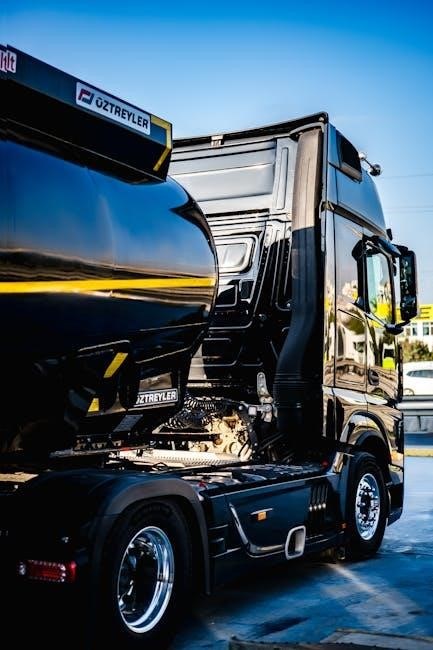
Historically‚ manual transmissions reigned supreme in the realm of semi-trucks. For decades‚ the robust and reliable 10-speed manual was the undisputed standard‚ particularly within the American trucking landscape. This prevalence stemmed from a combination of factors‚ including driver familiarity‚ perceived control‚ and the mechanical simplicity of the systems themselves.
Drivers were traditionally trained and expected to master the art of manual shifting‚ viewing it as a core skill and a demonstration of their expertise. The direct mechanical link between the driver and the powertrain offered a sense of control that many preferred. Furthermore‚ early automatic transmission technology wasn’t sufficiently durable or efficient to handle the demands of heavy-duty trucking.
Maintenance was also a consideration; mechanics were well-versed in repairing manual transmissions‚ making them a practical choice. However‚ as technology advanced‚ the limitations of manual transmissions – driver fatigue‚ potential for errors‚ and evolving fuel efficiency standards – began to pave the way for change. The dominance of the manual transmission‚ while long-lasting‚ was ultimately destined to be challenged.
The Traditional 10-Speed Manual
The 10-speed manual transmission became the workhorse of the trucking industry‚ a testament to its durability and capability. This configuration offered a wide range of gear ratios‚ allowing drivers to optimize engine performance across various terrains and load weights. Mastering this transmission required significant skill‚ demanding precise timing and coordination to execute smooth shifts.
The layout typically involved a main gearbox with high and low ranges‚ coupled with a range-splitting mechanism‚ effectively doubling the number of usable gears. Drivers navigated this complexity using a shift lever‚ coordinating clutch operation with gear selection. While demanding‚ experienced drivers could achieve remarkable efficiency and control.
However‚ the physical exertion involved in repeatedly operating the clutch and shifting gears contributed to driver fatigue‚ especially on long hauls. The potential for driver error – missed shifts or improper gear selection – also posed a safety concern. Despite these drawbacks‚ the 10-speed manual remained the industry standard for many years‚ representing a legacy of driver skill and mechanical robustness.

The Shift Towards Automatic Transmissions
A significant transition is underway in the semi-truck industry‚ moving away from traditional manual transmissions and embracing automated systems. This change isn’t about completely eliminating driver control‚ but rather enhancing efficiency and reducing operational burdens. Modern automatic transmissions‚ often referred to as Automated Manual Transmissions (AMTs)‚ are gaining traction.
Several factors are driving this shift. Improved fuel economy is a key benefit‚ as automatics can consistently select the optimal gear for any given situation‚ something even skilled manual drivers can’t always achieve. Furthermore‚ reducing the constant need to shift gears significantly decreases driver fatigue‚ leading to safer and more productive long-haul journeys.
The adoption of automatic transmissions also contributes to reduced wear and tear on the truck itself‚ minimizing maintenance costs. While initially met with resistance from some drivers accustomed to manual control‚ the advantages are becoming increasingly clear‚ accelerating the industry-wide adoption of automatic technology.
Fuel Efficiency: Automatic vs. Manual

The debate surrounding fuel efficiency between automatic and manual transmissions in semi-trucks has largely been settled in favor of automatics. While a skilled manual driver could potentially match an automatic’s efficiency‚ consistency is where automatics excel. They leverage sophisticated algorithms and sensors to continuously optimize gear selection.
Modern automatic transmissions are designed to maintain the engine within its most efficient RPM range‚ regardless of terrain or load. This precise control minimizes wasted fuel and maximizes mileage. The constant shifting required with a manual transmission‚ even by an experienced driver‚ introduces inherent inefficiencies.
Quora discussions highlight that new highway semis equipped with modern diesels and automatic transmissions often demonstrate demonstrably better fuel mileage. This improvement isn’t marginal; it can translate into substantial cost savings for fleet owners over the lifespan of a vehicle‚ making the investment in automatic technology increasingly attractive.
Reduced Driver Fatigue with Automatic Systems

Long-haul trucking is a demanding profession‚ and driver fatigue is a significant safety concern. Automatic transmissions directly address this issue by substantially reducing the physical and mental strain placed on drivers. The repetitive motion of shifting gears‚ particularly in challenging conditions like hilly terrain or heavy traffic‚ can be incredibly tiring.
Automatic systems eliminate the need for constant clutch operation and gear changes‚ allowing drivers to focus more intently on steering‚ monitoring traffic‚ and maintaining situational awareness. This reduced workload translates to less physical exhaustion and improved concentration over extended driving periods.
Quora sources emphasize that automatics allow the driver to “focus on driving‚” a critical benefit for safety and efficiency. By minimizing the cognitive load associated with manual shifting‚ drivers experience less mental fatigue‚ leading to better decision-making and a reduced risk of accidents. This is a key factor driving the industry’s shift towards automation.
Wear and Tear: Impact on Truck Longevity
Semi-trucks represent a substantial investment‚ and maximizing their lifespan is crucial for fleet profitability. Automatic transmissions contribute to increased truck longevity by minimizing stress on key components. Manual transmissions‚ with their reliance on clutch engagement and precise gear matching‚ inherently experience greater wear and tear.
The constant friction of the clutch‚ coupled with the potential for driver error during shifting‚ leads to accelerated degradation of the clutch disc‚ pressure plate‚ and flywheel. Automatic systems‚ conversely‚ utilize torque converters and sophisticated electronic controls to manage power transfer‚ reducing the strain on these critical parts.
Quora highlights that automatics “reduce wear and tear on the truck significantly.” This translates to fewer component failures‚ reduced maintenance costs‚ and extended intervals between major overhauls. By protecting vital drivetrain elements‚ automatic transmissions contribute to a longer‚ more reliable service life for the entire vehicle‚ ultimately boosting return on investment.
Popular Automatic Transmission Brands & Models
Several manufacturers are leading the charge in automatic transmission technology for semi-trucks‚ each offering unique features and performance characteristics. Eaton Fuller‚ a well-established name in the industry‚ provides Automated Manual Transmissions (AMTs) that blend the efficiency of a manual with the convenience of automation.
Allison Transmission is another dominant player‚ renowned for its fully automatic transmissions designed for heavy-duty applications. These transmissions are known for their durability and smooth shifting. Volvo’s I-Shift technology represents a sophisticated approach‚ utilizing predictive gear selection to optimize fuel efficiency and driver comfort.
These brands offer a range of models tailored to different trucking needs‚ from long-haul highway driving to demanding vocational applications. The increasing adoption of these automatic systems reflects a growing industry preference for reduced driver fatigue‚ improved fuel economy‚ and enhanced vehicle reliability. Choosing the right brand and model depends on specific operational requirements and fleet priorities.
Eaton Fuller Automated Manual Transmissions (AMTs)
Eaton Fuller’s Automated Manual Transmissions (AMTs) represent a compelling bridge between traditional manual gearboxes and fully automatic systems. These transmissions retain a manual gearbox foundation but incorporate computer-controlled shifting and clutch operation‚ offering drivers the benefits of both worlds.
Unlike fully automatic transmissions‚ AMTs don’t utilize a torque converter‚ resulting in greater fuel efficiency – a critical factor for long-haul trucking operations. Drivers can choose between fully automated mode or manual control via steering wheel-mounted buttons‚ providing flexibility and engagement when desired.
Eaton Fuller AMTs are designed to reduce driver fatigue by eliminating the need for constant clutch and gear lever manipulation. This technology also minimizes wear and tear on the clutch‚ potentially extending component life. Popular models include the Advantage series‚ known for their reliability and performance in demanding applications. They are a key component in the shift towards more efficient and driver-friendly semi-trucks.
Allison Automatic Transmissions in Semi-Trucks

Allison Transmission has long been a prominent name in the commercial vehicle sector‚ and their automatic transmissions are increasingly prevalent in semi-trucks. Unlike AMTs‚ Allison transmissions are fully automatic‚ employing a torque converter for smooth power delivery and enhanced low-speed control.
These transmissions are renowned for their durability and reliability‚ capable of withstanding the rigorous demands of heavy-duty trucking. The torque converter contributes to reduced stress on the drivetrain‚ potentially lowering maintenance costs over the vehicle’s lifespan. Allison automatics also excel in applications requiring frequent starts and stops‚ such as vocational trucking.
Modern Allison models feature advanced electronic controls‚ optimizing shift points for fuel efficiency and performance. They offer various series tailored to different engine outputs and vehicle weights. The ease of operation significantly reduces driver fatigue‚ allowing them to focus on safe and efficient driving‚ contributing to overall operational improvements.
Volvo I-Shift Technology
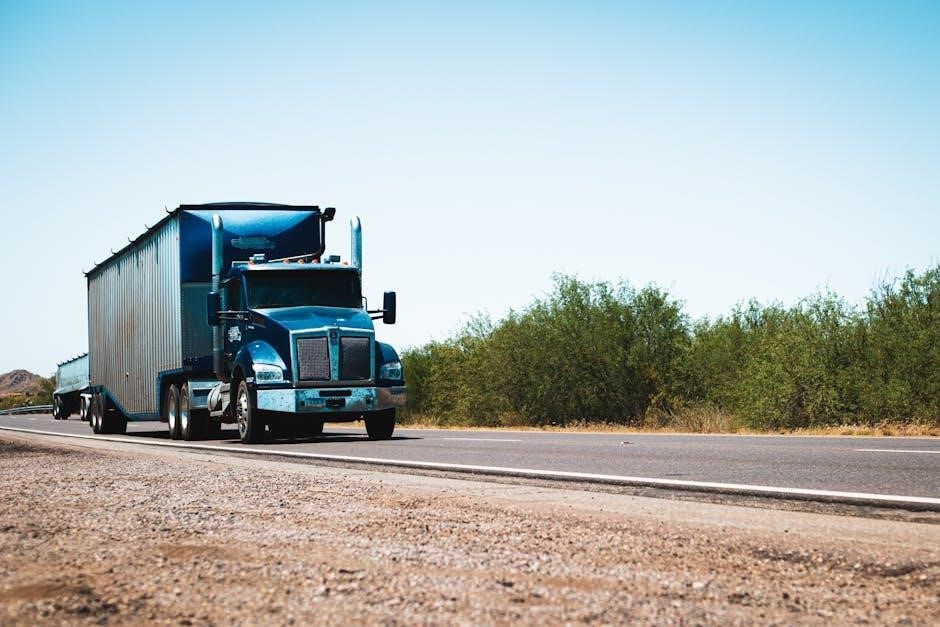
Volvo’s I-Shift is a sophisticated automated manual transmission (AMT) system gaining significant traction in the semi-truck market. It’s designed to mimic the efficiency of a manual transmission while offering the convenience and reduced fatigue of an automatic. Unlike traditional automatics‚ I-Shift utilizes computer-controlled shifting and clutching‚ optimizing gear selection for fuel economy and performance.
The system allows drivers to choose between fully automatic mode or manual control via steering wheel buttons‚ providing flexibility. I-Shift’s predictive electronic controls analyze factors like weight‚ road grade‚ and engine load to anticipate gear changes‚ resulting in smoother and more efficient operation.
Volvo continually refines I-Shift‚ incorporating features like enhanced low-speed maneuvering and improved crawling ability. This technology contributes to reduced wear and tear on the clutch and drivetrain‚ potentially lowering long-term maintenance expenses. It’s a key component in Volvo’s commitment to sustainable and efficient transportation solutions.
The Phasing Out of Manual Transmissions
Historically‚ manual transmissions‚ particularly the 10-speed variety‚ dominated the semi-truck landscape‚ especially in North America. However‚ a clear trend towards automatic transmissions is now underway‚ signaling a gradual phasing out of manual systems. This shift isn’t abrupt‚ but rather a steady adoption of automated technologies driven by several factors.

Modern diesel engines‚ coupled with advanced automatic and AMT systems‚ consistently demonstrate superior fuel efficiency compared to their manual counterparts. Furthermore‚ the reduced driver fatigue associated with automatics is a significant benefit‚ addressing driver shortages and improving safety.
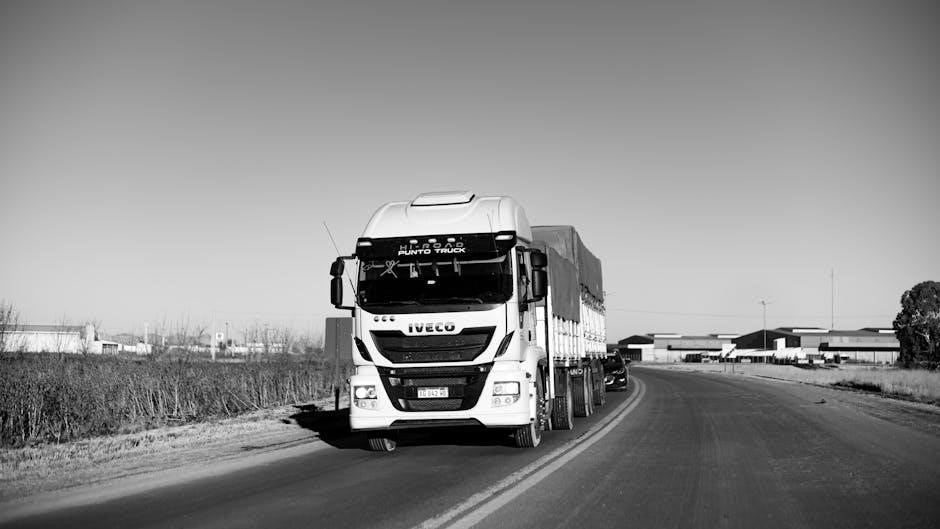
Fleet owners are increasingly recognizing the economic advantages of automatics‚ including lower maintenance costs and improved driver retention. While manuals still exist‚ particularly in older fleets or specific applications‚ their prevalence is diminishing as new trucks overwhelmingly favor automatic or AMT options. The future clearly leans towards automated shifting.
Current Market Trends in Transmission Choices
As of 2026‚ the semi-truck market demonstrates a strong preference for automatic and automated manual transmissions (AMTs). New highway semis are overwhelmingly equipped with these systems‚ driven by their proven benefits in fuel economy and driver comfort. While manual transmissions haven’t entirely disappeared‚ they represent a shrinking segment of new truck sales.
AMT technology‚ like Eaton Fuller’s offerings‚ bridges the gap between traditional manuals and full automatics‚ providing efficiency gains without the complete loss of driver control. Allison Automatic Transmissions and Volvo I-Shift are also gaining significant market share‚ showcasing the industry’s embrace of automated solutions.
This trend is particularly pronounced in long-haul applications where fuel savings and reduced driver fatigue have the most substantial impact. Regional variations exist‚ with Europe generally adopting automatics at a faster rate than the US‚ but the overall direction is clear: the future of semi-truck transmissions is automated.
Regional Differences: US vs. Europe
A notable divergence exists between the United States and Europe regarding semi-truck transmission preferences. Historically‚ the US market heavily favored the traditional 10-speed manual transmission as a standard‚ ingrained in driver training and operational norms. However‚ even within the US‚ a clear shift towards automatics is underway‚ spurred by fuel efficiency and driver comfort.
In contrast‚ Europe has demonstrated a more rapid and widespread adoption of automatic and automated manual transmissions (AMTs). This difference stems from factors like stricter driver regulations concerning work hours and a greater emphasis on operational costs‚ where fuel savings are paramount.
European fleets often prioritize minimizing driver fatigue and maximizing efficiency‚ making automatics a natural choice. While manual transmissions are still present in some US applications‚ particularly in specialized transport‚ Europe is leading the charge towards a fully automated trucking future‚ influencing global trends.
Driver Preference and Training
Historically‚ many North American drivers developed a strong preference for manual transmissions‚ cultivated through years of training and a sense of control over the vehicle. Mastering the 10-speed gearbox was often seen as a mark of skill and professionalism within the trucking community.
However‚ the rise of automatic and automated manual transmissions (AMTs) is changing this dynamic. Younger drivers entering the profession are often more receptive to automatics‚ valuing reduced fatigue and ease of operation. This shift necessitates updated training programs that focus on maximizing the benefits of these newer technologies.
The transition isn’t always seamless. Some experienced drivers initially resist automatics‚ citing a perceived loss of control or a different driving experience. But‚ as automatics demonstrably improve fuel economy and reduce wear and tear‚ acceptance is growing. Effective training is crucial to bridge the gap and ensure all drivers can operate modern semi-trucks safely and efficiently.
The Future of Semi-Truck Transmissions
Looking ahead‚ the trajectory clearly points towards further dominance of automatic and automated manual transmissions (AMTs) in the semi-truck industry. The benefits – improved fuel efficiency‚ reduced driver fatigue‚ and decreased wear and tear – are simply too significant to ignore‚ especially with increasing operational costs.

We can anticipate continued advancements in AMT technology‚ with more sophisticated software and predictive capabilities optimizing gear selection for various driving conditions. Fully automatic transmissions will likely become even more refined‚ offering smoother operation and enhanced performance.
While a complete disappearance of manual transmissions isn’t guaranteed‚ their role will likely become increasingly niche‚ potentially limited to specialized applications or owner-operators who prefer the traditional driving experience. The future emphasizes efficiency‚ safety‚ and driver comfort‚ all of which are being actively addressed by the evolution of semi-truck transmissions.
Considerations for Fleet Owners
For fleet owners‚ the decision between manual and automatic transmissions is a complex one‚ extending beyond the initial purchase price. While manual trucks historically had a lower upfront cost‚ the long-term benefits of automatics often outweigh this difference.
Fuel efficiency is a primary consideration; automatics consistently demonstrate improved mileage‚ translating to substantial savings over the lifespan of a vehicle. Reduced driver fatigue also contributes to cost savings by potentially lowering driver turnover and improving safety. Furthermore‚ decreased wear and tear on the drivetrain can minimize maintenance expenses.
However‚ fleet owners must also assess driver training needs. While automatics are easier to learn‚ retraining may be necessary for drivers accustomed to manuals. Ultimately‚ a thorough cost-benefit analysis‚ factoring in fuel consumption‚ maintenance‚ driver costs‚ and resale value‚ is crucial for making an informed decision.